Fire Risk Assessment and Evacuation Planning

Fire safety is a critical aspect of building management and workplace safety. Proper fire risk assessment and evacuation planning not only protect lives but also minimize property damage and ensure compliance with safety regulations. Understanding the principles behind these processes allows organizations, homeowners, and facility managers to create effective fire prevention and response strategies.
What is Fire Risk Assessment?
Fire risk assessment is a systematic process of identifying fire hazards, evaluating the risks associated with those hazards, and implementing measures to reduce or eliminate the risk. It involves analyzing both the likelihood of a fire occurring and the potential consequences if one does occur.
The main objectives of a fire risk assessment are:
- Identifying hazards: Recognizing sources of ignition, flammable materials, and unsafe practices.
- Assessing risks: Determining the likelihood and potential severity of fire incidents.
- Implementing control measures: Reducing risk through fire prevention methods, fire detection systems, and safety protocols.
- Ensuring compliance: Meeting legal requirements for fire safety in residential, commercial, and public premises.
Steps in Conducting a Fire Risk Assessment
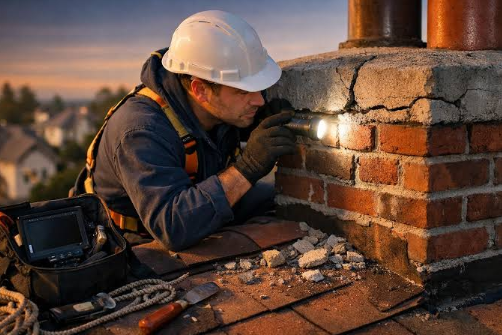
- Identify fire hazards:
Examine the premises to locate potential ignition sources, flammable substances, and electrical risks. - Identify people at risk:
Determine who might be affected in case of fire, including employees, residents, visitors, or people with disabilities. - Evaluate and prioritize risks:
Assess the likelihood of fire incidents and the possible impact. Prioritize risks that pose the highest danger. - Implement control measures:
Introduce fire prevention measures such as proper storage of flammable materials, regular equipment maintenance, and installation of smoke detectors and fire alarms. - Record findings and actions:
Document the assessment results, hazards identified, risk evaluation, and actions taken to mitigate risks. - Review and update:
Regularly review the fire risk assessment to account for changes in building layout, occupancy, or activities that may affect fire risk.
Importance of Evacuation Planning
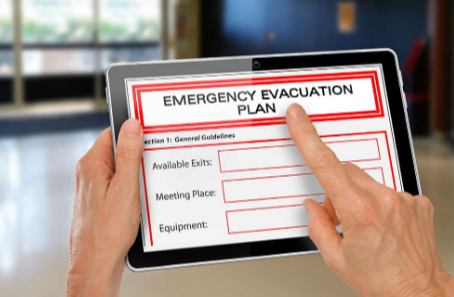
Evacuation planning is the process of creating a strategy to safely remove people from a building during a fire or other emergency. A well-prepared evacuation plan saves lives, minimizes panic, and ensures a coordinated response during emergencies.
Key elements of effective evacuation planning include:
- Clear escape routes: Marked and unobstructed paths that lead to safety.
- Emergency exits: Adequate and easily accessible exits for all occupants.
- Assembly points: Safe locations outside the building where people can gather.
- Evacuation procedures: Step-by-step instructions for evacuation, including responsibilities of staff or occupants.
- Regular drills: Conducting practice drills to ensure everyone knows the evacuation process.
Read Also: WPS Official Website is An Overview of User Interface and Performance of the site
Integrating Fire Risk Assessment and Evacuation Planning
Fire risk assessment and evacuation planning are closely linked. Risk assessments help identify potential fire hazards and high-risk areas, which informs the development of effective evacuation strategies. By understanding where fires are most likely to occur and who is at risk, organizations can design evacuation routes, assign responsibilities, and implement safety measures more efficiently.
Benefits of Integration
- Enhanced safety: Minimizes injuries and fatalities during fire emergencies.
- Reduced property damage: Effective response and evacuation prevent further harm to property.
- Regulatory compliance: Ensures adherence to fire safety laws and building codes.
- Peace of mind: Occupants and staff feel safer knowing that risks are managed.
Conclusion
Fire risk assessment and evacuation planning are essential components of comprehensive fire safety management. Conducting thorough risk assessments allows hazards to be identified and mitigated before an incident occurs, while robust evacuation plans ensure that occupants can respond quickly and safely in emergencies. Organizations, building managers, and homeowners must regularly review and update their fire safety strategies to maintain a safe environment for everyone.
FAQs
Q1: How often should a fire risk assessment be conducted?
A fire risk assessment should be conducted at least annually and whenever there are significant changes in building layout, occupancy, or processes.
Q2: Who should carry out a fire risk assessment?
It should be conducted by a competent person with knowledge of fire safety regulations, hazards, and risk control measures.
Q3: What is the difference between fire risk assessment and fire safety audit?
A fire risk assessment identifies hazards and risks and recommends preventive measures, while a fire safety audit checks compliance with fire safety regulations and evaluates existing measures.
Q4: Are evacuation plans required for all types of buildings?
Yes, all residential, commercial, and public buildings should have evacuation plans tailored to their size, occupancy, and specific hazards.
Q5: Can technology help in fire risk assessment and evacuation planning?
Yes, fire detection systems, alarm systems, evacuation mapping software, and real-time monitoring can significantly improve both fire risk assessment and evacuation efficiency.