The “Lifetime Retention” Debate: Why Many Orthodontists Now Recommend Long-Term Dental Retainers

Orthodontic treatment often ends with straight teeth and a balanced bite. For many patients, that moment feels like the finish line. Yet orthodontists know that tooth movement does not simply stop when braces or aligners are removed. Teeth naturally shift over time, which is why dental retainers remain an important part of maintaining orthodontic results.
In recent years, a discussion has been growing within the orthodontic community. Many professionals now suggest that retention should last far longer than previously recommended. Instead of wearing retainers for a short period after treatment, patients are often advised to continue using dental retainers for many years, sometimes indefinitely.
This shift has sparked what many call the “lifetime retention” debate.
Why Teeth Tend to Move After Treatment
Teeth sit within a network of ligaments and bone that responds to pressure. During orthodontic treatment, gentle forces guide teeth into new positions. Once treatment ends, those tissues need time to stabilize.
Even after stabilization, several factors can cause teeth to shift again. Natural aging, bite forces, and everyday habits can slowly influence tooth alignment. Because of this, relapse is a well-recognized concern in orthodontics.
Studies have shown that some level of tooth movement is common after treatment. Crowding in the lower front teeth, for example, can gradually return if no retention is used. This is one reason orthodontists place strong emphasis on consistent retainer use.
The purpose of dental retainers is to hold teeth in their new positions while surrounding structures adapt and stabilize.
The Shift Toward Long-Term Retention
Traditionally, many orthodontic patients were instructed to wear retainers full-time for several months and then only at night for a few years. After that period, some patients stopped wearing retainers entirely.
Over time, orthodontists began noticing that teeth could still shift years after treatment ended. As long-term follow-up studies became available, the idea of extended retention gained more support.
Today, many orthodontists suggest that dental retainers should remain part of a patient’s routine well beyond the early post-treatment phase. Instead of a temporary step, retention is increasingly viewed as an ongoing maintenance strategy.
This approach does not necessarily mean wearing a retainer every night forever. However, it recognizes that occasional or regular retainer use can help preserve orthodontic results over the long term.
Fixed vs Removable Dental Retainers
When discussing long-term retention, orthodontists often consider two main types of dental retainers: fixed retainers and removable retainers. Each option has its advantages and practical considerations.
Fixed retainers, sometimes called bonded retainers, consist of a thin wire attached to the back surfaces of certain teeth, usually in the lower front area. Because the wire remains in place, patients do not need to remember to wear it. Fixed retainers can be helpful for maintaining alignment in areas that are prone to relapse.
However, they require careful oral hygiene. Food and plaque can accumulate around the wire if brushing and flossing are not done carefully. Regular dental checkups help ensure that the retainer remains intact and clean.
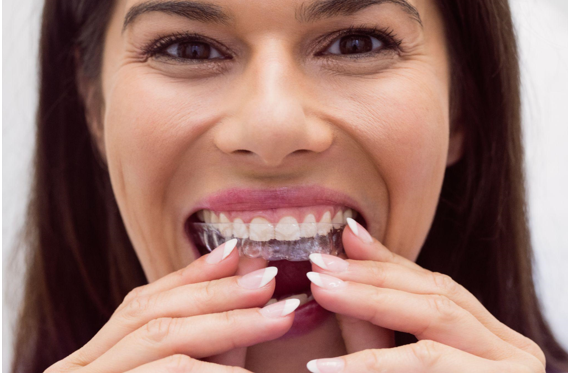
Removable retainers are another common option. These include clear plastic retainers or traditional wire retainers that can be taken out for eating and cleaning. Many orthodontists recommend removable dental retainers for nighttime use after the initial post-treatment period.
The main advantage of removable retainers is flexibility. Patients can remove them when needed and clean them easily. On the other hand, they rely on consistent use. If the retainer is not worn as instructed, teeth may gradually begin to shift.
Understanding Relapse Risk
The concept of lifetime retention is closely tied to the idea of relapse prevention. Orthodontists have observed that certain types of tooth movement are more likely to relapse over time.
Lower incisor crowding is one example. Even individuals who have never had orthodontic treatment can experience mild crowding as they age. For patients who have completed orthodontic treatment, maintaining alignment in this area can be challenging without ongoing retention.
Because of this, orthodontists often emphasize the continued use of dental retainers to help stabilize these areas. Rather than viewing retention as a short-term step, many clinicians now see it as part of a long-term strategy to maintain alignment.
See also: Understanding Mental Health Support and the Role of Professional Therapy
Technology Is Changing Retainer Care
Advances in dental technology have also influenced how orthodontists approach retention. Digital scanning and 3D printing now allow orthodontic practices to create highly precise retainers without traditional molds.
These digital records make it easier to reproduce dental retainers if one is lost or damaged. In some practices, patients’ scans are stored so replacement retainers can be produced quickly.
New monitoring tools are also beginning to appear. Some orthodontic systems allow clinicians to track tooth alignment remotely using smartphone images. These tools can help detect small shifts early, allowing adjustments before significant movement occurs.
Educational resources that focus on orthodontic knowledge, including platforms such as Textbook Orthodontics, have highlighted how digital tools are shaping modern retention strategies.
The Patient’s Role in Long-Term Retention
While orthodontists can provide guidance and appliances, maintaining alignment ultimately depends on patient participation. Wearing retainers as recommended, attending follow-up visits, and keeping appliances clean all play an important role.
For many people, incorporating dental retainers into a nightly routine becomes similar to brushing or flossing. A small daily habit can help protect the results achieved through months or years of orthodontic care.
Patients who understand the purpose of retention are often more consistent with retainer use. Clear communication between orthodontists and patients helps set realistic expectations about how teeth can change over time.
Final Thoughts
The idea of lifetime retention reflects a growing understanding of how teeth behave after orthodontic treatment. Rather than assuming that alignment will remain stable indefinitely, many orthodontists now encourage ongoing retainer use to reduce the chance of relapse.
Both fixed and removable dental retainers can play a role in maintaining results, depending on individual needs and preferences. Advances in digital technology are also making retention more manageable and easier to monitor.
For patients, the message is straightforward: orthodontic treatment may end when braces or aligners come off, but maintaining those results often depends on continued use of dental retainers. Small habits practiced over time can help preserve a healthy, well-aligned smile for years to come.