
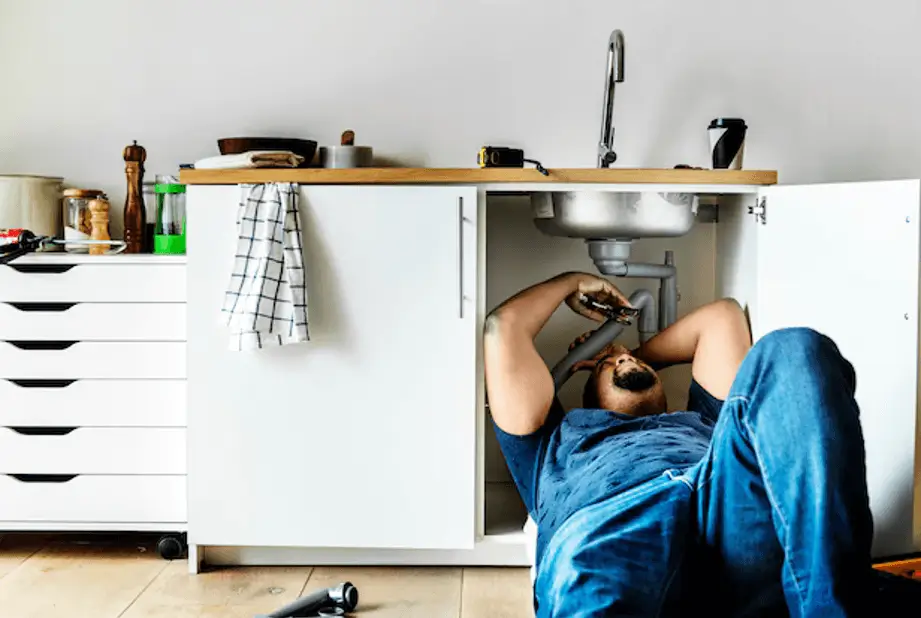
Why Bowie, MD Homeowners Are Replacing Their Pipes Earlier Than Ever

Across many neighborhoods in Bowie, homeowners are beginning to face the same issue: aging plumbing systems that were installed decades ago are no longer holding up the way they once did.
Many homes throughout Bowie were built during major residential expansion periods in the 1960s, 70s, and early 80s. While the communities themselves remain highly desirable, much of the original plumbing infrastructure inside those homes is now reaching the end of its expected lifespan.
As a result, more homeowners are choosing to replace pipes proactively instead of waiting for emergency failures to happen.
The shift is not only about avoiding leaks. It is also about preventing long-term water damage, improving water pressure, and addressing plumbing materials that degrade differently as they age.
Why Older Bowie Homes Face Unique Plumbing Challenges
Homes built several decades ago often used plumbing materials that are far less common in newer construction today.
In Bowie, many older homes still contain-
- Galvanized steel pipes.
- Cast iron drain lines.
- Copper systems nearing late-stage wear.
Each material ages differently, and understanding those differences helps explain why plumbing problems are becoming more common across older neighborhoods.
Unlike modern plumbing systems, older materials gradually deteriorate from the inside out. In many cases, homeowners do not realize how serious the issue has become until symptoms start affecting daily life.
How Galvanized Pipes Break Down Over Time
Galvanized steel pipes were once widely used because they were durable and resistant to rust on the exterior.
The problem develops internally.
Over time, mineral deposits and corrosion begin forming inside the pipe walls. As the buildup thickens, the pipe opening becomes narrower, restricting water flow throughout the house.
Homeowners may notice-
- Reduced water pressure
- Water discoloration
- Uneven flow between fixtures.
- Frequent leaks near joints.
- Water that appears rusty after sitting.
Because corrosion develops slowly, many homeowners adjust to declining performance without recognizing that the plumbing system is deteriorating.
Eventually, sections of the pipe may weaken enough to crack or leak unexpectedly.
Why Cast Iron Drain Pipes Become a Problem
Cast-iron drain systems are another common issue in older Bowie homes.
Unlike galvanized supply lines, cast iron drain pipes mainly handle wastewater leaving the property. While cast iron is strong, decades of moisture exposure eventually lead to internal corrosion.
As the pipe walls begin deteriorating, homeowners may experience-
- Slow drains
- Recurring backups
- Sewer odors
- Gurgling sounds
- Water is pooling around the drains
Tree root intrusion also becomes more common as older underground drain lines weaken over time.
One challenge with cast iron systems is that damage often remains hidden until serious drainage issues appear. By the time backups become frequent, sections of pipe may already be significantly compromised.
Why Modern PEX Systems Behave Differently
Newer homes often use PEX plumbing systems instead of galvanized or cast iron materials.
PEX piping is flexible, resistant to internal corrosion, and generally less vulnerable to mineral buildup. It also handles changing water pressure more effectively than older rigid piping systems.
This does not mean modern plumbing is maintenance-free, but the aging process is very different.
Unlike galvanized pipes that slowly close inward due to corrosion, PEX systems are less likely to experience internal scaling severe enough to reduce water flow dramatically.
That difference is one reason many homeowners replacing aging plumbing systems are choosing modern piping materials during renovations or repairs.
See also: Budget-Friendly Tips for Stunning Home Makeovers
Signs Bowie Homeowners Should Not Ignore
Because many homes in Bowie share similar construction timelines, certain plumbing warning signs are becoming increasingly common across the area.
Some of the most important signs include-
- Water pressure is gradually decreasing
- Rust-colored water
- Frequent pipe leaks
- Slow or noisy drains
- Unexplained increases in water bills
- Damp spots near walls or flooring
- Recurring drain backups
These symptoms do not always mean immediate pipe replacement is necessary. However, they often indicate that sections of the plumbing system are aging beyond normal wear.
Older homes with original plumbing systems should not ignore repeated minor issues, especially when multiple symptoms begin appearing at once.
Why Homeowners Are Replacing Pipes Earlier
In previous years, many homeowners waited until a pipe failed before considering replacement.
That approach is changing.
Pipe failures can now lead to:
- Expensive water damage
- Mold remediation
- Flooring replacement
- Drywall repairs
- Temporary relocation during repairs
Insurance complications have also made emergency plumbing situations more stressful for some homeowners.
As awareness grows, many Bowie residents are choosing preventative pipe assessments before visible failures occur.
To get a professional pipe assessment from someone who knows Bowie’s infrastructure, click here to schedule with Drain Guys, a local specialist.
Local plumbing evaluations can help homeowners understand whether issues are isolated or part of a larger aging system problem.
Why Local Knowledge Matters in Older Communities
One reason localized plumbing inspections matter in Bowie is that many neighborhoods were developed during similar periods using comparable building materials.
Plumbers familiar with the area often recognize recurring infrastructure patterns more quickly than companies unfamiliar with older suburban layouts.
Understanding-
- Pipe age
- Common materials used in certain subdivisions.
- Local soil conditions
- Regional water characteristics.
can make a significant difference when diagnosing plumbing concerns accurately.
This is especially important when deciding whether repairs are still practical or whether full or partial repiping may become more cost-effective long-term.
Final Thoughts
Many Bowie homes were built to last, but aging plumbing systems eventually reach a point where repairs become more frequent and less predictable.
Galvanized steel and cast iron pipes degrade very differently from modern plumbing materials, and the warning signs often develop slowly over time.
Paying attention to changes in water pressure, drain performance, and recurring leaks can help homeowners address problems earlier and avoid larger plumbing emergencies later.
For many homeowners in Bowie, replacing aging pipes is no longer just a reaction to failure. It is becoming part of long-term home maintenance planning.