Ice Dams Keep Coming Back Until The Attic Stops Leaking Heat

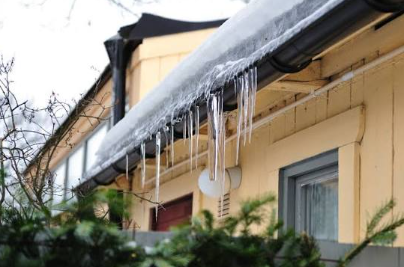
Late February in Commerce Township, and the snow on the north slope has pulled back four feet from the ridge while a ledge of ice sits two inches thick over the gutter. Inside, a brown ring spreads across the bedroom ceiling on every thaw. That is the week homeowners start calling roofers commerce township mi for a quote on a whole new roof. The shingles are usually fine. A recurring ice dam is a heat loss problem, and until the attic stops feeding warm air to the underside of the deck, the same ridge of ice forms next winter and the winter after that.
Ask About The Attic Before Buying Shingles
What gets asked during the estimate decides whether the repair holds. Roofing Contractor reported in May 2026 that 50% of the homeowners it surveyed use internet search engines to find a roofer, which sorts contractors by marketing and says nothing about who is willing to crawl into an attic. The vetting has to happen in the questions instead. Ask about the space above the ceiling, and quotes that looked interchangeable start to separate.
- How much of my ceiling plane will you air seal, and with what? A good answer names foam and fire rated caulk at the can lights, not just more insulation.
- What is the insulation depth up there now, and what will it be when you leave? A good answer gives inches and an R-value that somebody actually measured.
- Does the bath fan duct end outside the house or in the attic? A good answer comes with a photo of where that duct really terminates.
- What keeps the soffit intake open once the insulation is deeper? A good answer mentions baffles in every rafter bay.
See also: Mental Health Care for Seniors: What Families Should Know
Warm Air Melts The Snow From Underneath
Run the defroster on a snowy morning and watch what the windshield does. Snow touching the warm glass turns to water, the water slides down to the cold cowl at the base, and it refreezes there in a small ridge. A roof runs that same experiment at a much larger scale whenever the attic sits near forty degrees and the outdoor air sits at twenty. The heated deck melts the snowpack from below, the meltwater travels down to the overhang where nothing warm sits underneath it, and there it stops. So why does the ice always build directly over the gutter? That overhang is the first genuinely cold surface the water reaches.
Recessed Cans And Bath Fans Leak The Most
The case we see most often is not missing insulation, it is air moving straight through the ceiling. A dozen recessed can lights, an attic hatch with no weatherstrip, and a bath fan venting into the attic instead of through the roof will warm a deck faster than a foot of fiberglass can hold it back. Sealing that ceiling plane on a 1,600 square foot attic might run about $900 in an illustrative scenario. Call it $1,400, honestly, once someone has to work around ductwork and boxed soffits in an older Oakland County colonial. The roofers Commerce Township MI homeowners call back in January are the ones who spent an afternoon in the attic with a foam gun before anybody mentioned a tear off.
Heat Cable Buys Time It Cannot Fix
Heat cable melts a channel through the dam so trapped water can drain, and on a tricky valley or a low slope porch it is a defensible permanent choice. It is also an appliance you pay to run all winter, and it changes nothing about the warm air that built the dam.
Insulation Depth Decides Whether The Dam Returns
Once the ceiling is sealed, depth is what keeps the deck cold enough to hold snow. The Building Science Corporation ice dam digest recommends at least R-30 of insulation below a ventilated attic roof, plus a waterproof membrane at the eave able to hold back six to eight inches of standing water. Plenty of attics around here measure six or seven inches of settled fiberglass, which falls well short of that. Blowing cellulose to a marked depth and adding baffles so the soffit intake stays open costs a fraction of the drywall and paint bill that follows one bad February.
The Winter That Finally Stays Dry
A roof that leaks only in winter is pointing straight at the attic, and the shingles have been taking the blame for it. Seal the ceiling plane first, insulate to a measured depth second, confirm the intake and exhaust vents are open, and replace shingles when they are genuinely worn out rather than as a reaction to ice. Book that work in September while the attic is dry and an installer can move around up there without putting a knee through the bedroom ceiling. The brown ring stops coming back, and the gutter spends the winter empty.