Sterile Processing Technician Jobs in the USA: Where to Find Entry-Level Positions

Finding your first job as a Sterile Processing Technician can be challenging, especially if you have never worked in a hospital. You may see dozens of openings online, but many mention certification, previous experience, or specific technical skills.
Does that mean hospitals aren’t hiring beginners?
Not necessarily. Entry-level sterile processing positions exist across the United States, but knowing where to look and how to interpret job requirements can make a significant difference.
Here is how to find Sterile Processing Technician jobs, identify opportunities for beginners, and prepare for your first position in healthcare.
What Does an Entry-Level Sterile Processing Technician Do?
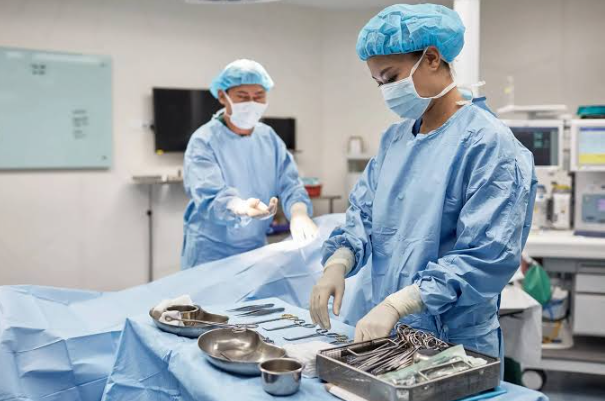
Sterile Processing Technicians work behind the scenes in hospitals, surgical centers, and other healthcare facilities. Their primary responsibility is ensuring that reusable surgical instruments are properly cleaned, inspected, assembled, packaged, and sterilized.
Typical responsibilities include:
- Cleaning and decontaminating reusable medical instruments.
- Inspecting instruments for damage and functionality.
- Assembling surgical instrument sets.
- Preparing instruments for sterilization.
- Operating sterilization equipment according to established procedures.
- Maintaining processing records and instrument tracking information.
- Distributing processed instruments to appropriate departments.
The work requires attention to detail, knowledge of infection prevention, and the ability to follow strict procedures.
Although Sterile Processing Technicians generally do not provide direct patient care, their work plays an important role in supporting safe surgical procedures.
See also: Science Illustrations and Animations in Environmental Research
Where to Find Sterile Processing Technician Jobs in the USA
Many beginners start their search on major employment websites. While these platforms can be useful, they are not the only places to find opportunities.
1. Hospital Career Websites
One of the most effective strategies is to search directly through hospital career portals.
Large healthcare systems often publish openings across multiple hospitals and outpatient facilities on a single website.
Examples of major healthcare employers include HCA Healthcare, CommonSpirit Health, Kaiser Permanente, and Cleveland Clinic.
Search their career sections using terms such as “Sterile Processing Technician,” “Central Sterile Technician,” or “Sterile Processing.”
You can also explore smaller regional hospital systems, which may have different hiring requirements.
2. Indeed and LinkedIn
Indeed and LinkedIn allow job seekers to search by location, experience level, and employment type.
Useful searches include:
- Sterile Processing Technician jobs near me
- Entry-level Sterile Processing Technician
- Sterile Processing Technician no experience
- Central Sterile Technician
- Sterile Processing Technician trainee
Set up job alerts so you receive notifications when new positions appear.
When you find an interesting opening, consider checking the employer’s official career website for the complete description and application instructions.
3. Ambulatory Surgery Centers
Hospitals are not the only employers of sterile processing professionals.
Ambulatory surgery centers perform procedures that do not require an overnight hospital stay. Many use reusable surgical instruments and need trained personnel to process them.
These facilities may advertise positions under different titles, including Central Processing Technician or Instrument Processing Technician.
Smaller facilities may have fewer openings, but including them in your search can expand the number of potential employers.
4. Medical Staffing Agencies
Some healthcare staffing agencies recruit sterile processing professionals for temporary, contract, or permanent positions.
However, many travel and contract assignments require previous experience and professional certification.
For beginners, permanent entry-level positions are generally a more realistic starting point than travel contracts.
Before working with an agency, confirm the experience requirements, employment terms, and whether the opportunity is suitable for someone entering the profession.
What Job Titles Should Beginners Search For?
Not every employer uses the same title.
A position involving similar responsibilities may appear under several names.
| Job title | What to know |
|---|---|
| Sterile Processing Technician | Common title used by hospitals and healthcare systems |
| Sterile Processing Technician I | May indicate an entry-level position, depending on the employer |
| Central Sterile Technician | Alternative title for sterile processing work |
| Central Service Technician | Often associated with instrument processing and distribution |
| Sterile Processing Trainee | May indicate a structured training opportunity |
| Instrument Processing Technician | Sometimes used by surgical facilities |
Searching multiple titles helps you discover vacancies that might otherwise be missed.
However, always review the actual responsibilities. Similar job titles do not necessarily mean identical qualifications or duties.
Can You Get a Sterile Processing Technician Job Without Experience?
Yes, some employers consider candidates without previous sterile processing experience.
However, entry-level does not always mean that no preparation is required.
A hospital may accept candidates who have completed a training program, passed a certification examination, or are willing to obtain certification within a specified period.
Other employers may require experience from the beginning.
Look carefully at phrases such as:
Experience preferred: Previous experience is desirable, but it may not be a strict requirement.
Experience required: The employer expects candidates to have the specified experience.
Certification required within 12 months: The employer may consider candidates who are not yet certified, provided they meet the stated deadline.
Training provided: The employer offers some form of workplace training. Check whether it covers beginners and what qualifications are needed before hiring.
These distinctions matter because applicants sometimes reject suitable opportunities simply because a posting mentions preferred experience.
Do Hospitals Require CRCST Certification?
CRCST stands for Certified Registered Central Service Technician. The certification is administered by the Healthcare Sterile Processing Association (HSPA).
Certification requirements vary by employer and jurisdiction.
Some hospitals require CRCST certification before hiring, while others allow eligible employees to obtain it after starting work.
To earn full CRCST certification, candidates must pass the examination and document 400 hours of qualifying hands-on experience.
HSPA also allows candidates to take the examination before completing the practical requirement. Successful candidates may receive provisional certification and have six months to submit the required hands-on experience.
This pathway can be relevant to beginners who are preparing for their first sterile processing position.
However, provisional certification does not guarantee employment, and hospitals may establish additional hiring requirements.
How to Prepare for Entry-Level Sterile Processing Jobs
A structured training program can help candidates understand the technical knowledge expected in sterile processing departments.
Important subjects include microbiology, infection prevention, decontamination, surgical instruments, sterilization methods, packaging, and quality assurance.
Training can also help applicants become familiar with the terminology used in job descriptions and interviews.
For example, Multyprep offers a 14-week Sterile Processing Technician program with 168 hours of live online instruction.
Students attend classes through Zoom, interact directly with instructors, and prepare for the CRCST examination using structured lessons and more than 1,000 practice questions.
Live instruction can be particularly helpful for people entering healthcare from unrelated industries.
It is important to distinguish classroom education from practical experience. Online training does not replace the 400 hands-on hours required for full CRCST certification.
How to Write a Resume for Your First Sterile Processing Job
If you have never worked in a hospital, focus on relevant skills from previous employment.
For example, experience in warehouses, manufacturing, food service, or quality control may involve following procedures, inspecting materials, maintaining records, and working in fast-paced environments.
These skills do not replace sterile processing knowledge, but they can demonstrate useful professional habits.
Your resume should include:
- Relevant training and completed coursework.
- Certification status, accurately described.
- Experience following safety procedures.
- Quality control or inspection responsibilities.
- Documentation and inventory skills.
- Teamwork and reliability.
If you are currently studying, you can list your training program as “In Progress.”
If you have passed the CRCST examination but have not completed the practical requirement, describe your certification status accurately rather than claiming full certification.
Avoid adding technical skills that you have not actually learned or practiced.
What to Expect During a Sterile Processing Technician Interview
Hospitals may ask questions about infection prevention, teamwork, attention to detail, and your understanding of the profession.
Common interview questions include:
Why do you want to become a Sterile Processing Technician?
Explain what interests you about the technical responsibilities and your motivation to work in healthcare.
How would you handle discovering a damaged surgical instrument?
Demonstrate that you understand the importance of following department procedures, reporting problems, and preventing unsafe instruments from being released for use.
How do you work under pressure?
Provide an example from previous employment that shows your ability to remain organized and follow procedures.
Are you comfortable performing repetitive tasks?
Sterile processing involves detailed, standardized workflows. Employers want employees who can maintain accuracy throughout their shifts.
If you lack direct experience, be transparent. Show that you understand the role and are prepared to continue learning.
Are Sterile Processing Technician Jobs Available in Every State?
Sterile processing positions exist throughout the United States because hospitals and surgical facilities need properly processed reusable instruments.
However, the number of openings and hiring requirements vary significantly by location.
Large metropolitan areas may have more healthcare facilities, but they can also attract more applicants.
Smaller cities may offer fewer vacancies, although competition and employer expectations can differ.
Instead of choosing a location based only on general salary estimates, research actual openings within a reasonable commuting distance.
Compare the required qualifications, available shifts, hourly pay, and opportunities for professional development.
Some positions require evenings, weekends, holidays, or on-call availability.
What Happens After Your First Sterile Processing Job?
An entry-level position can provide an opportunity to develop practical skills and gain experience in a hospital environment.
As technicians become more experienced, they may pursue additional responsibilities involving instrument coordination, quality assurance, department training, or team supervision.
Possible career paths include Lead Sterile Processing Technician, Sterile Processing Supervisor, and Sterile Processing Manager.
Advancement generally requires additional experience, demonstrated competence, and sometimes further education or certifications.
Not every facility offers the same opportunities, so it is worth researching an employer’s department structure and professional development policies.
How to Take the First Step Toward Employment
Finding an entry-level Sterile Processing Technician job requires more than searching for a single job title.
Start by identifying hospitals, surgery centers, and healthcare systems in your area. Review their requirements and search for positions that consider beginners.
If you lack the necessary technical knowledge, consider structured education and preparation for CRCST certification.
You can explore the Sterile Processing Technician training program to learn about live online classes and examination preparation.
Then build a resume around your relevant skills, prepare for interviews, and apply consistently to positions that match your qualifications.
You do not necessarily need previous hospital employment to begin pursuing a career in sterile processing. But understanding the profession, preparing for its requirements, and targeting the right opportunities can help you approach your first healthcare job search more effectively.