Copyright Rules You Must Know Before Using a YouTube to MP3 Convertor

Copyright protection begins automatically when an original work is created and fixed in a tangible form. Music, speeches, lectures, and performances uploaded as videos are protected whether they display a copyright notice. This means most audio found in online videos is already covered by law before any conversion takes place.
What Copyright Actually Protects
Copyright does not protect ideasit protects expression. In the case of videos, this includes the recorded sound, musical composition, lyrics, and performance. Extracting audio creates a new copy of that protected expression, which triggers copyright considerations regardless of the method used.
Reproduction Is a Key Legal Threshold
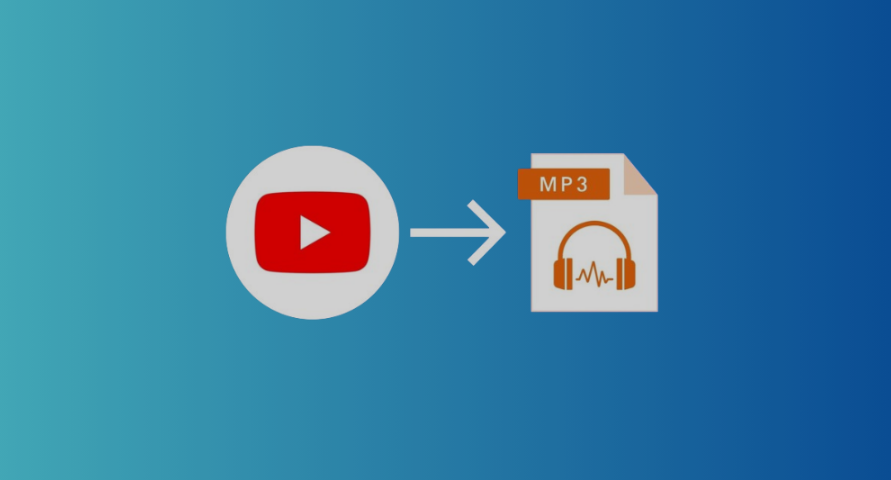
One of the core rights granted to copyright holders is the right to control reproduction. When audio is converted and saved, reproduction occurs. This is true whether the user relies on a browser-based YouTube to MP3 tool or any other technical method.
See also: Disruptive Technology Innovations
Licensing Determines What Is Allowed
Some content creators grant permission for reuse through licenses such as Creative Commons. These licenses may allow copying, modification, or redistribution under specific conditions. Without such permission, default copyright restrictions apply. Users must identify whether a license exists before assuming reuse is permitted.
Public Availability Does Not Mean Free Use
A common misunderstanding is that publicly accessible content is free to copy. Public access only means the content can be viewed or heard, not copied or redistributed. Copyright law treats viewing and copying as fundamentally different actions.
Derivative Works and Format Changes
Changing a format does not eliminate copyright protection. Converting video audio into MP3 creates a derivative copy, not a new original work. Copyright law continues to apply regardless of whether the content is altered, compressed, or reformatted.
Private Copying Exceptions Are Limited
Some legal systems allow limited private copying, but these exceptions are narrow and often tied to specific conditions. They may not apply if copying circumvents access controls or violates contractual agreements. Using a browser-based YouTube to MP3 tool does not automatically qualify as lawful private copying.
Sharing Multiplies Legal Risk
Legal exposure increases significantly when copies are shared. Uploading, distributing, or selling converted audio is far more likely to violate copyright rules than keeping a copy for strictly personal use.
Educational and Research Use Has Boundaries
Educational intent does not grant unlimited copying rights. While certain educational exceptions exist, they are usually constrained by purpose, amount, and access restrictions. Teachers and students must still evaluate whether copying complies with applicable rules.
Understanding Responsibility as a User
Copyright law places responsibility on the person making the copy, not the tool used. Awareness of copyright rules empowers users to make informed decisions and reduces the likelihood of accidental infringement.
Why Knowing the Rules Matters
Understanding copyright rules is not about avoiding technology—it’s about using it responsibly. When users recognize the boundaries set by law, they can navigate digital content more confidently and ethically.