Managing Debris on Projects With Multiple Contractors

Construction projects involving multiple contractors create a unique set of logistical challenges, especially when it comes to debris management. On busy job sites, framers, electricians, plumbers, roofers, flooring installers, demolition crews, and other subcontractors may all be working simultaneously or in overlapping phases. Each trade generates its own type of waste, and without coordination, debris can quickly overwhelm the site.
For contractors and project managers, effective debris handling is essential for maintaining organization, protecting workflow, and keeping projects on schedule. A structured waste management strategy helps ensure that all crews can work efficiently without interference from cluttered work zones or overflowing disposal areas.
Why Multi-Contractor Projects Create More Debris Challenges
Projects involving several contractors generate debris at a much faster pace than single-trade jobs. Different crews often produce waste in different locations and at different times throughout the day.
Common materials generated on these sites include drywall scraps, wood framing, flooring materials, packaging, roofing debris, electrical cutoffs, plumbing materials, insulation, and demolition waste. Because these materials accumulate simultaneously across active work zones, cleanup becomes more complicated without a coordinated plan.
When debris management is inconsistent, crews may begin using temporary piles or leaving waste behind for others to handle later, creating confusion and inefficiency across the job site.
The Importance of Establishing a Waste Management Plan Early
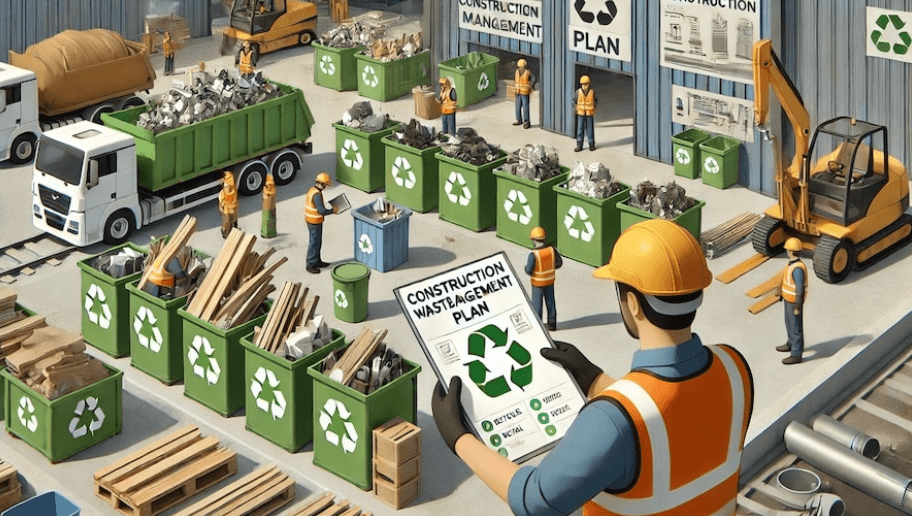
One of the best ways to avoid debris-related problems is to establish clear waste handling procedures before work begins. Contractors who plan disposal logistics early are better equipped to maintain organization throughout the project.
A strong debris management plan should outline where waste will be collected, how often containers will be serviced, and which cleanup responsibilities belong to each contractor. Clear expectations help reduce misunderstandings and improve accountability among all trades working onsite.
Without a defined system, debris often becomes a reactive issue that slows down project progress.
Using Centralized Disposal Systems
Centralized disposal is one of the most effective strategies for managing debris on multi-contractor projects. Instead of allowing each trade to create separate disposal areas, contractors can direct all waste toward designated centralized containers.
Many project managers coordinate debris handling through Waste Removal USA to maintain organized disposal systems across active construction sites. Centralized disposal reduces clutter, improves site coordination, and minimizes unnecessary movement of materials throughout the project.
This approach also helps crews locate disposal areas quickly without interrupting workflow.
Positioning Containers for Shared Access
Container placement becomes especially important on projects involving multiple contractors. Dumpsters should be positioned where all active crews can access them without interfering with each other’s work areas.
Placement should account for equipment movement, delivery routes, staging zones, and active construction operations. Containers located too far from work zones often encourage temporary debris piles, while poorly positioned dumpsters can create congestion or restrict access around the site.
Strategic placement improves efficiency for every crew involved in the project.
Coordinating Cleanup Responsibilities Between Trades
One of the most common sources of frustration on shared job sites is confusion over cleanup responsibilities. Without clear communication, some crews may assume others will handle debris removal later.
Project managers should establish:
- Expectations for daily cleanup
- Rules regarding container usage
- Procedures for oversized or heavy materials
- Responsibility for maintaining clear work zones
Clear communication reduces disputes and helps maintain cleaner conditions throughout the project.
Managing Different Types of Construction Debris
Projects involving multiple contractors often generate mixed waste streams that vary significantly in size, weight, and handling requirements. Some materials may be light and bulky, while others are extremely dense or difficult to transport.
Heavy materials such as concrete, roofing shingles, or tile may require separate handling to prevent overloading containers. Bulky packaging and framing materials may need to be broken down to maximize space inside dumpsters.
Organizing debris efficiently helps maintain disposal capacity and reduces unnecessary service interruptions.
Scheduling Consistent Pickup Service
Multi-contractor projects generate debris continuously, making regular pickup service critical for maintaining workflow. Containers can fill much faster than expected when several trades are working simultaneously.
Project managers should monitor fill levels closely and schedule pickups before dumpsters become overloaded. Larger projects may require multiple containers or additional service during demolition or high-production phases.
Consistent pickup schedules help prevent debris from interfering with active construction work.
Maintaining Safe and Organized Work Areas
Debris buildup creates serious safety concerns on crowded construction sites. Materials left in walkways or staging areas increase the risk of trips, falls, and equipment accidents.
Proper debris management helps:
- Keep pathways clear for crews and equipment
- Reduce clutter around active work zones
- Improve visibility throughout the site
- Maintain safer conditions overall
A cleaner site also helps crews work more efficiently without constantly navigating around waste piles.
Coordinating with Material Deliveries and Equipment Access
Construction sites involving multiple contractors typically receive frequent deliveries of materials and equipment. Waste handling systems must be coordinated carefully so dumpsters and debris do not block access routes or staging areas.
Contractors should ensure that disposal areas remain separate from loading zones and that haul trucks can access containers without disrupting active construction operations.
Proper coordination helps avoid delays and improves overall site organization.
Adapting to Changing Project Conditions
As construction progresses, work zones shift and debris patterns change. Some phases may generate large amounts of demolition waste, while later stages produce lighter finishing materials and packaging debris.
Contractors should remain flexible by adjusting container placement, modifying pickup schedules, and increasing disposal capacity when needed. Adapting to changing site conditions helps maintain efficiency throughout every phase of the project.
Reducing Labor Through Better Debris Coordination
When waste handling is poorly organized, crews often spend unnecessary time relocating debris or cleaning up after other trades. This reduces productivity and increases labor costs across the project.
Efficient debris management minimizes repeated handling, keeps work zones accessible, and allows contractors to focus on productive tasks instead of site cleanup problems.
This improves workflow and helps projects stay on schedule.
Establishing Daily Cleanup Routines
Daily cleanup routines are essential on projects involving multiple contractors. Waiting until the end of the week or end of the project to address debris often leads to major organization problems.
Consistent cleanup practices help maintain better control over disposal areas and prevent waste from spreading across the site. End-of-day cleanup expectations should apply to every crew working on the project.
Routine cleanup also improves professionalism and creates a more organized environment for everyone involved.
See also: Growing Your Gift Business with Bobbleheads Wholesale from BobbleheadsMe.com
Improving Overall Project Efficiency
Well-coordinated debris management supports nearly every aspect of a construction project involving multiple contractors. When waste is handled consistently, crews move more efficiently, work zones remain organized, and project timelines become easier to maintain.
The benefits include fewer delays, safer conditions, improved communication between trades, and better overall productivity across the job site.
Effective waste handling ultimately helps create smoother, more manageable construction operations from start to finish.
Managing debris on projects with multiple contractors requires planning, communication, and consistent coordination throughout every phase of construction. By establishing centralized disposal systems, clarifying cleanup responsibilities, and maintaining regular pickup schedules, contractors can keep shared job sites organized and productive.
When debris is managed effectively, crews work more efficiently, safety improves, and projects remain on track. For multi-contractor construction projects, strong waste management strategies are essential for maintaining control and delivering successful results.