The Science of Cellular Regeneration: Breakthroughs in Medical Therapeutics

The human body possesses an extraordinary biological framework designed to heal, adapt, and sustain itself over time. Yet, severe injuries, genetic conditions, and degenerative diseases can easily overwhelm these natural mechanisms, leaving the body unable to repair damaged tissues autonomously. At the forefront of medical innovation lies a unique biological entity that holds the power to replace, repair, and regenerate these compromised systems. This foundational building block is redefining the therapeutic landscape, offering viable interventions for conditions that were once considered entirely untreatable. By exploring the underlying biology and ongoing advancements in regenerative medicine, researchers are continuously expanding the boundaries of healthcare.
Defining the Core Biological Units
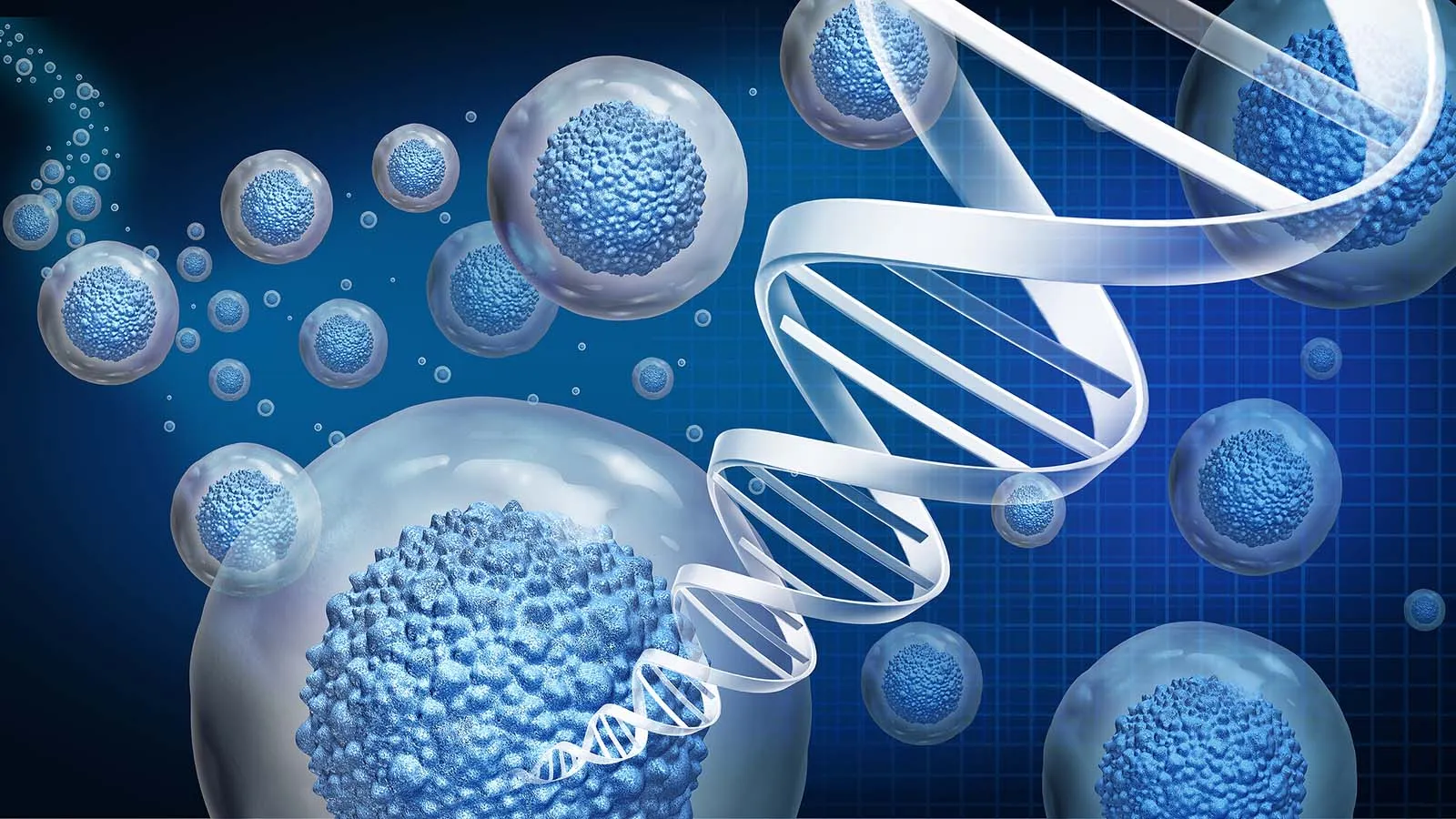
A Stem cell is distinct from all other cellular structures in the human body due to two primary characteristics. First, it possesses the remarkable ability to self-renew. Through cellular division, it can create exact replicas of itself indefinitely, ensuring that a reservoir of these vital units is consistently maintained. Second, it exhibits the capacity for differentiation. While a mature heart cell or nerve cell is restricted to its specific function, an unspecialized master cell can transform into highly specialized daughter cells when exposed to the right physiological signals. This plasticity allows it to become bone, muscle, blood, or brain tissue, providing the essential raw materials needed to rebuild complex organ systems and repair localized damage.
See also: Tech innovations: enhancing homeland security and safety
Primary Classifications and Origins
To effectively utilize these biological units in therapeutic settings, scientists categorize them based on their developmental origin and differentiation potential.
Embryonic entities represent the most versatile classification. Sourced from early developmental stages, they are pluripotent, meaning they have the innate capability to differentiate into any of the hundreds of distinct cell types found in the human organism. This boundless potential makes them highly valuable for intricate tissue engineering and laboratory research, though their application is governed by strict ethical and regulatory standards.
Adult, or somatic, entities naturally reside within various mature tissues, including the bone marrow, adipose tissue, and the liver. These are typically multipotent, meaning their primary physiological role is to maintain and repair the specific tissue in which they exist. For instance, hematopoietic units located in the bone marrow are responsible for generating red blood cells, white blood cells, and platelets. While their differentiation spectrum is narrower than their pluripotent counterparts, they remain indispensable for numerous established, life-saving medical procedures.
A revolutionary advancement in this field is the creation of induced pluripotent entities. Through sophisticated genetic engineering, scientists have discovered methods to reprogram standard adult skin or blood cells back into a highly versatile, embryonic-like state. This scientific breakthrough provides a renewable, patient-specific source of regenerative material, significantly reducing the risk of immune rejection and bypassing complex ethical dilemmas.
Therapeutic Applications in Healthcare
The transition from laboratory discovery to targeted medical intervention has significantly altered the prognosis for numerous complex diseases. In the realm of hematology and oncology, hematopoietic transplantations have been utilized for decades to treat severe blood disorders, immune deficiencies, and aggressive malignancies such as leukemia and lymphoma. By replacing diseased bone marrow with healthy, blood-forming units, the patient’s immune and circulatory systems are effectively revitalized.
Beyond systemic blood disorders, localized regenerative therapies are making profound impacts in fields such as orthopedics and cardiology. Targeted injections of mesenchymal units are frequently utilized to reduce chronic joint inflammation, accelerate the healing of severe bone fractures, and support the regeneration of damaged articular cartilage in patients suffering from osteoarthritis. In cardiovascular medicine, ongoing trials demonstrate that introducing these specialized cells into cardiac tissue following a myocardial infarction can promote the formation of new blood vessels and minimize harmful scarring, thereby improving the heart’s overall pumping capacity.
The Importance of Specialized Medical Infrastructure
The administration of sophisticated regenerative therapies demands a meticulous environment equipped with advanced laboratory infrastructure and highly specialized medical professionals. Precision is paramount, from the initial harvesting and processing of biological material to the final targeted delivery within the patient’s body. Esteemed healthcare institutions such as Liv Hospital are deeply committed to integrating these cutting-edge methodologies with comprehensive patient care protocols. By utilizing highly advanced diagnostic imaging, strict quality control measures, and multidisciplinary medical oversight, specialized centers ensure that patients receive the safest and most effective cellular therapies available. This rigorous institutional support is crucial for maximizing therapeutic efficacy and minimizing any associated procedural risks.
Looking Ahead in Regenerative Science
The trajectory of regenerative medicine points toward a future where disease management is highly personalized and profoundly effective. Researchers are currently exploring the integration of CRISPR gene-editing technologies with cellular therapies, allowing for the precise correction of inherited genetic mutations before the biological material is transplanted back into the patient. Furthermore, the development of complex, three-dimensional organoids—miniaturized, functional tissues cultivated in a laboratory—is revolutionizing pharmaceutical testing. These artificially grown tissues allow scientists to predict how a specific disease will respond to experimental drugs without risking the health of human subjects.
The continued exploration of these foundational biological units promises to unlock new treatments for neurodegenerative conditions, severe autoimmune disorders, and traumatic spinal cord injuries. As scientific understanding deepens and technological capabilities expand, the medical community’s ability to harness the body’s innate regenerative power will continue to transform the standard of care for millions of patients globally.